Akbar’s Tomb Sikandra Agra: Visitor Guide and History | TTI Tours
TTI Tours / 11/11/2026
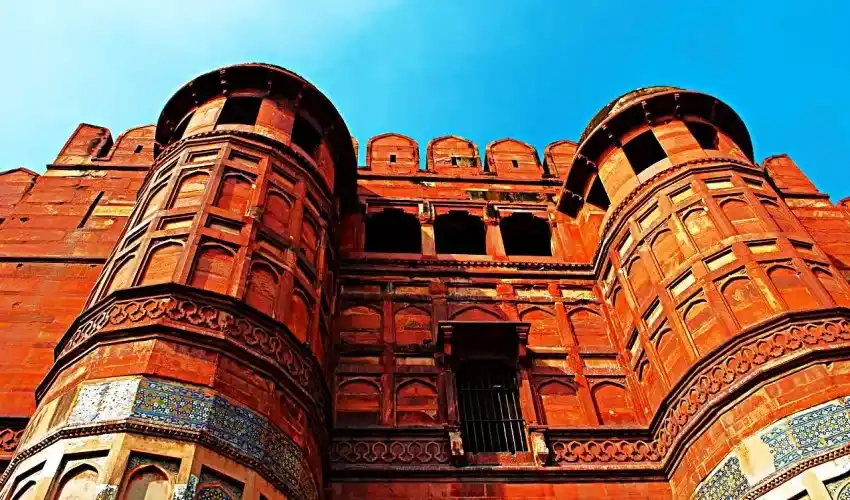
Akbar's Agra: The Fort He Built, the City He Left and the Tomb Where He Rests
He Ruled Much of India for Almost Fifty Years. He Died of an Illness We Treat Easily Today.
Akbar became emperor at the age of thirteen and ruled from 1556 to 1605. Over those decades he built the Mughal Empire into one of the largest states of its age, spanning much of the subcontinent. He also took a famously open interest in the religions of his subjects, and invited scholars of different faiths to debate at his court.
So it surprises many visitors to learn how he died: not in battle, but of dysentery. This is the story of his last days, and of the places in Agra that tell it today.
How Did Akbar Die? What the Accounts Say
Akbar was born on 15 October 1542, and fell seriously ill in the autumn of 1605, shortly after turning sixty-three. The illness was dysentery. His physicians tried a series of remedies, none of which worked, and according to accounts his condition grew worse as the weeks passed. Rumours of poisoning spread, but they were never confirmed, and most historians treat dysentery as the cause.
Sources give slightly different dates for his death, between 25 and 27 October 1605, so we simply say late October. What is agreed is that he died in Agra's region at the height of a worrying succession dispute. His eldest son Salim, later Emperor Jahangir, had rebelled against him earlier, while some at court favoured Salim's son Khusrau as heir. Accounts record that, near the end, Akbar signalled that Salim should be given the royal turban, and Salim took the throne.
Akbar's Agra — Three Places in One or Two Days
Agra Fort. Akbar began rebuilding this vast red sandstone fortress in the 1560s, and it remained a major Mughal seat for generations. Fatehpur Sikri. About an hour's drive from Agra, this was his purpose-built capital from the 1570s. He left it after roughly fourteen years, and it survives almost intact in red sandstone. Sikandra. The tomb is the quietest of the three and the one most visitors skip, which is exactly why we like it.
Akbar's Tomb at Sikandra
Akbar planned his own tomb and chose its site, following a Central Asian custom of building one's resting place during life. His son Jahangir completed it around 1613. It stands in large gardens in red sandstone inlaid with white marble. The tall south gate is the main entrance, topped with four white marble minarets with small domed pavilions. They resemble the Taj Mahal's minarets, and they were built first.
The tomb was damaged in the eighteenth century and restored by the Archaeological Survey of India in the early 1900s. It remains a protected monument today.
Fitting Agra Into a Wider Journey
Most first-time visitors give Agra one or two nights, usually with the Taj Mahal at sunrise. If you can spare a second day, Sikandra and Fatehpur Sikri turn a quick stop into a real picture of the Mughal court. Agra also sits naturally alongside Rajasthan's great citadels, and we plan private forts and palaces tours of India that combine the two, with the heritage hotel stays that suit them.
For wider planning, Incredible India, the government's official tourism site, is a good place to browse.
Every route is private, with your own guide and driver, and can be reshaped around your dates.
Planning a Trip to Agra and Beyond?
Tell us how many days you have and what you would like to see. We will suggest a route and reply within an hour.
WhatsApp Us for a Free QuoteBlogs Frequently Asked Questions
Related Travel Guides


Recent Comments
Just wrapped up the most incredible Luxury Golden Triangle Tour in India! Every detail was flawlessly managed, from opulent stays to seamless experiences. Huge thanks to Ashu, our amazing travel agent, for making it truly unforgettable. Highly recommend for a premium journey!
Subcategories
Famous India Tours
Festivals In India

Leave a Comment