Best Time to Visit Rajasthan — Month by Month Guide | TTI Tours
tti tours / 11/03/2026
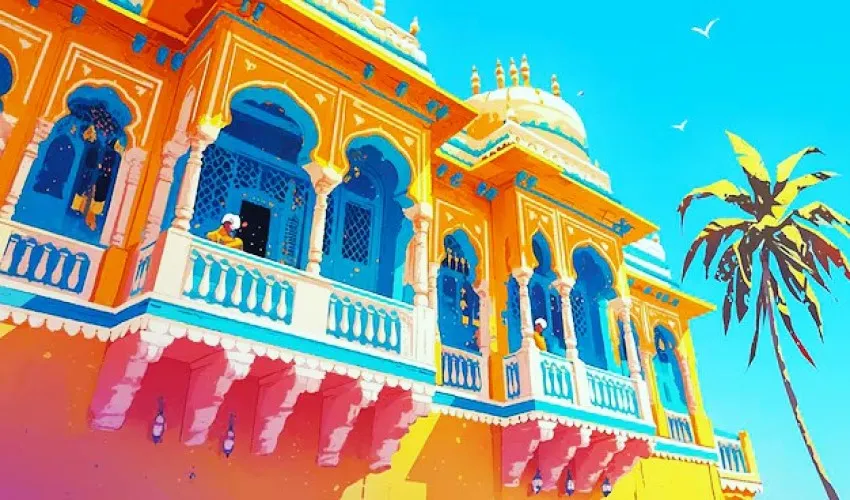
Best Time to Visit
Rajasthan
Month by month guide — weather, temperatures, crowds and what to expect across all three coloured cities.
The best time to visit Rajasthan is October to February — but the right month for you depends on what you want to experience.
Rajasthan has three distinct seasons — and each one gives you a completely different version of the state. The cool winter months from October to February offer perfect sightseeing conditions, clear blue skies and comfortable temperatures. The summer months bring intense heat. The monsoon brings dramatic skies, green landscapes and a Rajasthan almost no tourist ever sees.
This guide gives you the honest picture for every month of the year — temperatures, crowds, what to expect and whether it is the right time for your trip.
Click your travel month to find out what to expect:
Rajasthan Festivals & Events
The best reason to choose a specific month — festival timing
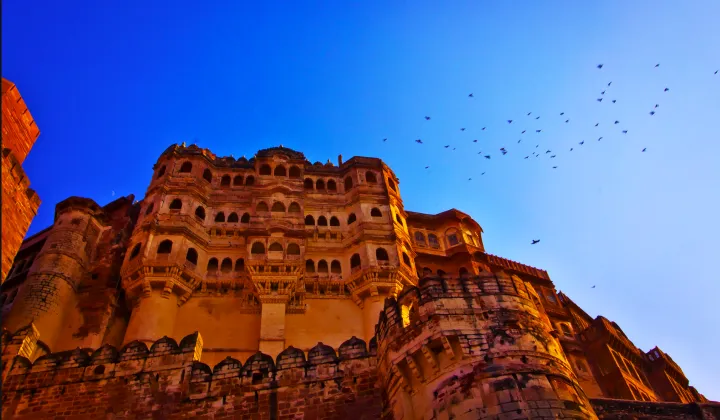
Rajasthan Weather — Month by Month
Every month rated for weather, crowds and sightseeing conditions
- ✔ Perfect sightseeing weather
- ✔ Clear blue skies every day
- ✔ All activities and monuments open
- ✔ Desert camp at its best
- ✔ Festivals — Diwali, Holi, Desert Festival
- ✗ Peak season — highest hotel prices
- ✗ Taj Mahal and Amber Fort crowded
- ✗ Book well in advance — 3+ months
- ✗ January nights very cold in desert
The winter months — October through February — are the best time to visit Rajasthan for the vast majority of travellers. Temperatures are comfortable for walking, sightseeing and spending time outdoors — ranging from pleasantly warm in October to genuinely cold in January, when desert nights can drop to 5°C. The skies are consistently clear and blue, the light is perfect for photography and every monument looks its absolute best.
November and February are the two finest months — offering the ideal combination of comfortable temperatures, clear conditions and manageable crowds. December is peak season — the most popular month, with the highest hotel rates and the most tourists, but also the most vibrant atmosphere. The Jaisalmer desert camp experience is extraordinary in December and January — cold, clear nights with an enormous sky of stars above the dunes.
January is the coldest month — Jaisalmer in particular gets very cold at night, and the desert camp requires warm sleeping gear. But the skies are spectacular and the clarity of winter light makes this a favourite month for photographers.
- ✅ Perfect sightseeing weather
- ✅ All activities available
- ✅ Clear skies for photography
- ✅ Desert camp at its best
- ✅ Festivals — Diwali, Pushkar, Holi
- ⚠️ Highest hotel prices
- ⚠️ Peak crowds at monuments
- ⚠️ Book well in advance
- ⚠️ Cold desert nights in Jan
- ✔ Luxury hotels at 40–60% discount
- ✔ Monuments nearly empty
- ✔ No advance booking needed
- ✔ April mornings still pleasant
- ✗ 40–45°C heat in May and June
- ✗ Sightseeing only early/late
- ✗ Dust storms possible in June
- ✗ Desert camp uncomfortable
The summer months — particularly May and June — bring extreme heat to Rajasthan. Temperatures regularly exceed 40°C and can reach 45°C in Jaisalmer, which sits deep in the Thar Desert. Sightseeing is only comfortable in the early morning before 10 AM and after 5 PM. The middle of the day is genuinely dangerous for outdoor activity.
However, summer has real advantages for the right traveller. Hotel prices drop by 40–60% compared to peak season. The monuments are nearly empty — you can have the Amber Fort or Mehrangarh entirely to yourself. If you are comfortable in heat, travel early and late in the day and rest in air-conditioned comfort during midday, summer is a surprisingly rewarding time to visit.
April is the most manageable summer month — temperatures reach 38°C but mornings are still pleasant. May and June are for experienced heat travellers only.
- ✅ Luxury hotels 40–60% cheaper
- ✅ Monuments nearly empty
- ✅ Authentic local atmosphere
- ✅ April still manageable
- ⚠️ 40–45°C midday heat
- ⚠️ Outdoor time very limited
- ⚠️ Desert camp uncomfortable
- ⚠️ Dust storms possible in June
- ✔ Dramatic photography conditions
- ✔ Green lush landscapes
- ✔ Very low crowds
- ✔ Excellent hotel value
- ✔ September — most underrated month
- ✗ Intermittent rain — plan around it
- ✗ High humidity in July and August
- ✗ Some rural roads affected
- ✗ Desert camp less atmospheric
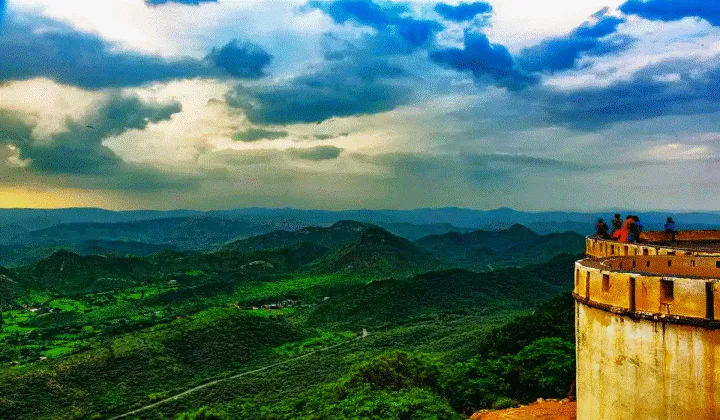
The monsoon is the most misunderstood season in Rajasthan. Most travel guides simply say "avoid" — but the reality is far more interesting. Rajasthan receives less rainfall than most of India during the monsoon — the desert simply does not flood the way tropical regions do. What the monsoon brings instead is something extraordinary: deep green hills, dramatic storm clouds building over ancient forts, and a landscape that looks nothing like the Rajasthan of any travel brochure.
Photographically the monsoon is spectacular. The fortresses of Jodhpur and Jaisalmer photographed against dark monsoon clouds are among the most dramatic images in Indian travel photography. The ancient step-wells fill with water. The desert, against all expectation, blooms.
September is the most underrated month in all of Rajasthan — the monsoon is ending, temperatures are dropping, landscapes are still lush and green, hotel prices are low and crowds are almost non-existent. For travellers who have already visited in winter and want to see a completely different Rajasthan, September is the answer.
- ✅ Dramatic skies and green landscapes
- ✅ Almost no tourists
- ✅ Very low hotel prices
- ✅ September ideal for photographers
- ⚠️ Some roads may flood
- ⚠️ High humidity
- ⚠️ Mosquitoes more active
- ⚠️ Desert camp less recommended

December and January occasionally bring morning mist to Agra — creating one of the most extraordinary natural effects at the Taj Mahal, which appears to float above the fog. This is rare but when it happens it is one of the most photographed natural displays at the monument. If you are visiting in December or January, arrive at the Taj Mahal at opening time on any misty morning and you may witness something exceptional.
Rajasthan Temperature — City by City
Average high / low temperatures across the three main cities by season
| City | ❄️ Winter (Oct–Feb) | ☀️ Summer (Mar–Jun) | 🌧️ Monsoon (Jul–Sep) | Rainfall |
|---|---|---|---|---|
| 🌸 Jaipur | 8°C – 28°C | 22°C – 40°C | 24°C – 35°C | 650 mm/yr |
| 💙 Jodhpur | 6°C – 26°C | 24°C – 42°C | 25°C – 36°C | 360 mm/yr |
| ✨ Jaisalmer | 5°C – 24°C | 26°C – 45°C | 26°C – 38°C | 180 mm/yr |
Best Time to Visit Each City
Each coloured city has its own ideal visiting window
The single best month to visit Rajasthan if you can only choose one is November — perfect temperatures across all three cities, clear blue skies, post-monsoon greenery still visible, and crowds not yet at December peak levels. If November is not possible, February is the second best — warming up, Holi approaching and the Jaipur Literature Festival in full swing.
What to Pack — By Season
- 🧥 Warm jacket for evenings
- 🧣 Scarf and light layers
- 👟 Comfortable walking shoes
- 🕶️ Sunglasses essential
- 🧴 Sunscreen — UV still strong
- 💧 Water bottle always
- 👕 Light cotton clothing only
- 🧢 Wide brim hat essential
- 🕶️ UV-protective sunglasses
- 🧴 High SPF sunscreen
- 💧 Minimum 3L water daily
- 🌬️ Portable fan recommended
- ☂️ Compact umbrella
- 👟 Waterproof sandals
- 👕 Quick-dry clothing
- 💊 Mosquito repellent
- 📷 Waterproof camera bag
- 🧴 Antifungal powder
Rajasthan Temperature by Month — Jaipur, Jodhpur & Jaisalmer
Average high and low temperatures across the three coloured cities — use this to plan your packing and choose the right month for your comfort level.
| Month | Jaipur | Jodhpur | Jaisalmer | Season |
|---|---|---|---|---|
| October | 19–34°C | 18–35°C | 17–36°C | ✅ Best |
| November | 12–28°C | 11–28°C | 10–29°C | ✅ Best |
| December | 8–22°C | 7–23°C | 5–24°C | ✅ Best |
| January | 5–18°C | 5–19°C | 3–19°C | ✅ Best |
| February | 8–24°C | 8–26°C | 7–27°C | ✅ Best |
| March | 14–30°C | 14–32°C | 13–33°C | ✅ Best |
| April | 20–38°C | 21–39°C | 22–40°C | 🌤️ OK |
| May | 26–42°C | 27–43°C | 28–45°C | 🔥 Hot |
| June | 28–44°C | 29–44°C | 30–45°C | 🔥 Hot |
| July | 25–36°C | 26–37°C | 27–38°C | 🌧️ Monsoon |
| August | 24–34°C | 25–35°C | 26–36°C | 🌧️ Monsoon |
| September | 22–34°C | 23–35°C | 23–36°C | 🌧️ Monsoon |
When is the Best Time to Visit Rajasthan?
The best time to visit Rajasthan is between October and February — the winter season when temperatures are comfortable, skies are clear and all three major cities of Jaipur, Jodhpur and Jaisalmer are at their most spectacular. November is the single best month overall, combining perfect weather, manageable crowds and ideal conditions for the Jaisalmer desert camp experience.
For budget travellers willing to deal with heat, April offers good value with low crowds and temperatures still below 40°C. September is the most underrated month — the tail end of monsoon brings low prices, empty monuments and a lush green Rajasthan that winter visitors never see.
The TTI Tours 8 Day Golden Triangle Rajasthan Tour operates year-round — we adjust the daily schedule based on season to ensure you always get the best experience in the current conditions. WhatsApp us with your travel dates and we will give you a personal recommendation.
📅 Whatever month you are planning — TTI Tours operates year-round and adjusts the itinerary for the season. View the 8 Day Golden Triangle Rajasthan Tour from USD 820 per person or WhatsApp us with your travel month for a personal recommendation.
Trusted by travellers worldwide
⭐⭐⭐⭐⭐ Rated Excellent · TTI Tours
🟢 Read Our Reviews on TripAdvisor →Plan Your Rajasthan Trip
8 days · All seasons · Private guides · Desert night included · From USD 820 per person
💬 WhatsApp Us — Tell Us Your Travel Month
Blogs Frequently Asked Questions
November is the single best month — perfect temperatures, clear blue skies and manageable crowds. October to February is the best overall season. November also brings the Pushkar Camel Fair — one of the most spectacular events in Asia. If November is not possible, February is the second best month.
Yes — May and June regularly exceed 40°C, reaching 45°C in Jaisalmer. Sightseeing is only comfortable before 10 AM and after 5 PM. April is more manageable at 38°C. The advantage of summer is significant — hotel prices drop 40–60% and monuments are nearly empty.
Yes — December is one of the best months. Temperatures range from 8°C to 22°C with clear skies throughout. The Jaisalmer desert camp under cold, star-filled December nights is extraordinary. It is peak season — book hotels and tours well in advance.
July to September — the monsoon season — offers the lowest hotel prices and fewest tourists. September is the best budget month — the monsoon is ending, temperatures are dropping and landscapes are still green. May and June are also cheap but extreme heat makes sightseeing very difficult
October is excellent — temperatures range from 18°C to 34°C with clear skies and fresh post-monsoon greenery. Crowds are manageable and photography conditions are outstanding. October also brings Diwali — when the forts and palaces of Jaipur and Jodhpur are illuminated dramatically against the night sky.
Yes — January is the coldest month. Jaisalmer desert nights can drop to 5°C. Warm layers are essential, especially for the desert camp. However the skies are crystal clear with exceptional winter light — making January one of the best months for photography despite the cold.
The Pushkar Camel Fair takes place every November around the full moon — drawing over 50,000 camels, traders and folk performers to the holy town of Pushkar. It is one of the most photographed events in Asia and an excellent reason to time your Rajasthan visit to November.
The Jaisalmer Desert Festival is held every February at the Sam Sand Dunes — a three-day celebration of Thar Desert culture with folk music, camel races and fire dancers. February is one of the most vibrant months to visit Jaisalmer and the Desert Festival is a highlight of the Rajasthan festival calendar
Related Travel Guides
Recent Comments
Just wrapped up the most incredible Luxury Golden Triangle Tour in India! Every detail was flawlessly managed, from opulent stays to seamless experiences. Huge thanks to Ashu, our amazing travel agent, for making it truly unforgettable. Highly recommend for a premium journey!
Subcategories
Famous India Tours
Festivals In India

Leave a Comment